Birdwatching Guide for Třeboň Wetlands

Why Třeboň is a Birdwatcher's Paradise
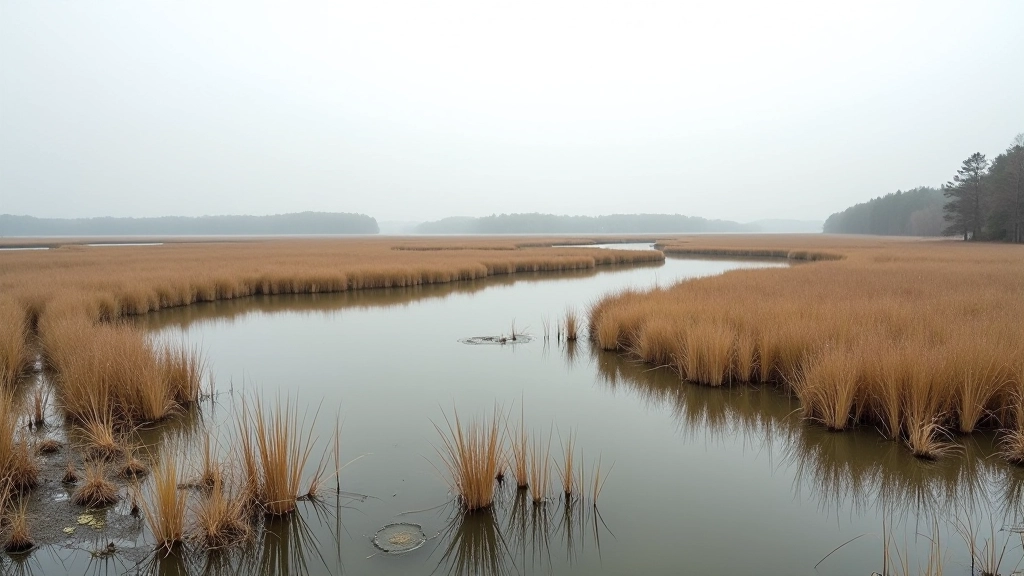
Třeboň's wetlands are something special. We're talking about one of Europe's most important bird habitats, with over 250 recorded bird species. The shallow ponds, reedbeds, and surrounding forests create the perfect environment for observing everything from common mallards to rare crested grebes.
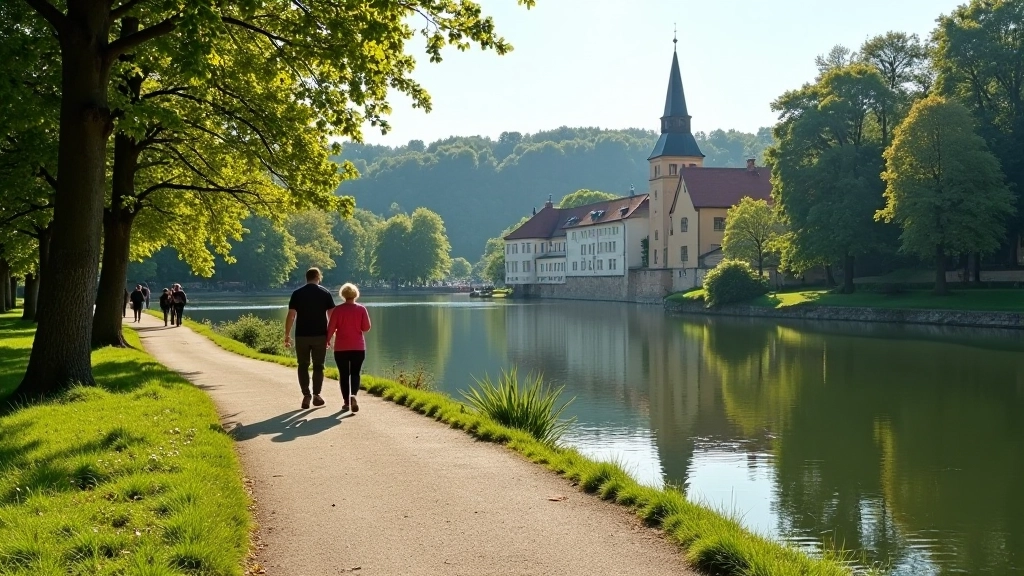
The wetlands span roughly 6,000 hectares across South Bohemia. It's not just a place to watch birds — it's a landscape shaped by centuries of human management. Local fish farmers created these ponds back in the 14th century, and now they're protected as a Ramsar wetland site. For someone wanting to get serious about birdwatching without traveling hours, this is where you'll find genuine rewards.
Best Times to Visit
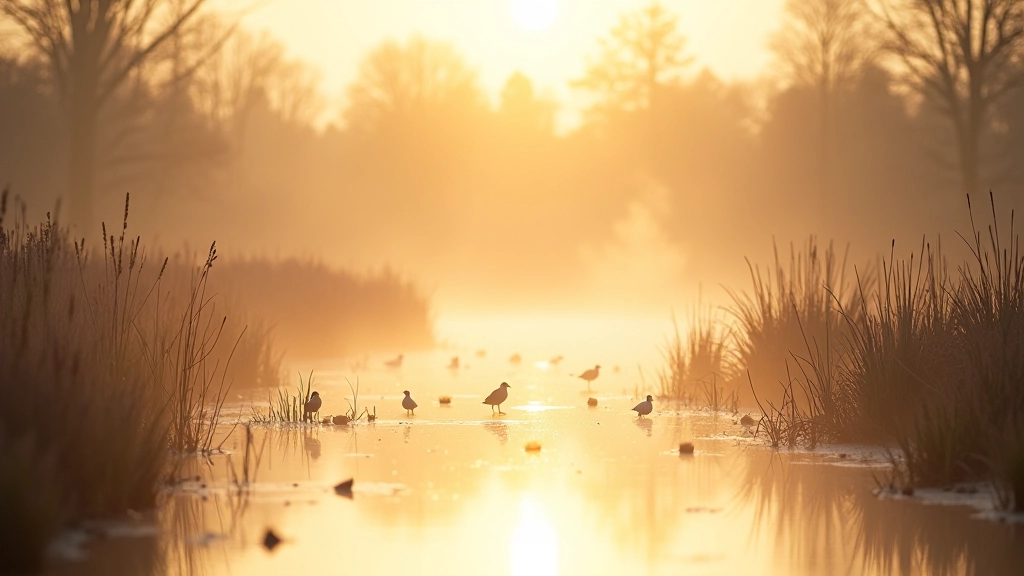
Spring and autumn are peak times, though you'll see birds here year-round. Spring brings migrating species between March and May — that's when you'll spot warblers, grebes, and diving ducks returning from Africa. The energy's palpable. Nesting birds are more active, and the longer daylight hours work in your favor.
Autumn migration (August to October) is equally rewarding. Birds are fattening up for their journey south, so they're more visible and less cautious. Winter is quieter but can be excellent for spotting rarer species that don't breed here. Summer works too, though afternoon heat makes midday observation uncomfortable. Early morning or late afternoon is your best bet any time of year.
Pro tip:
Visit on weekdays if possible. Weekends bring more people, and
birds scatter. Dawn visits (5:30-7:30 AM) give you the most
activity and the best light for photography.
Where to Observe & What You'll See
The wetlands aren't one continuous space — they're divided into several named ponds. Svět pond is popular with beginners because it's accessible and offers good sightings. Velký Tůň is larger and attracts more waterfowl. The viewing towers (called "Vyhlídky" locally) give you elevated vantage points where you're less likely to startle birds.
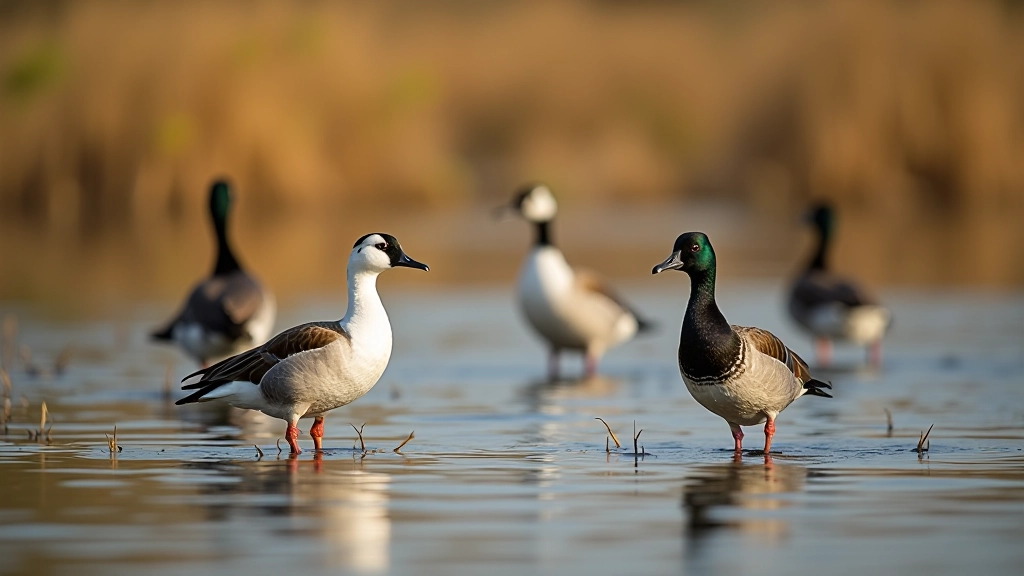
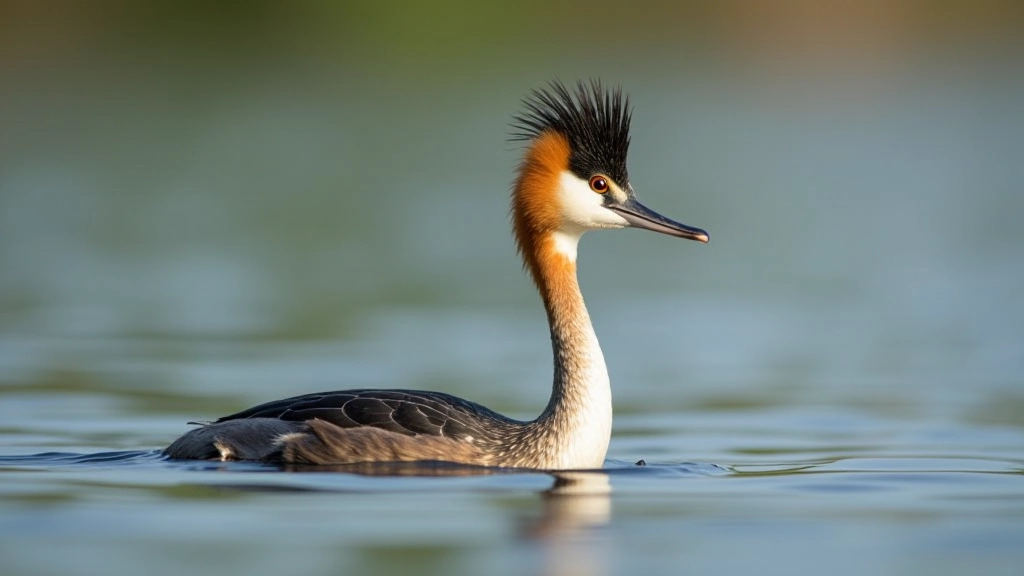
You'll definitely see mallards, coots, and great crested grebes. But that's just the start. Red-necked phalaropes, whiskered terns, and spoonbills show up regularly. We're talking about birds you won't find in your garden. The key is patience. Most people scan for 10 minutes, see nothing, and leave. Birds require stillness. Spend an hour at one location, stay quiet, and you'll be amazed what emerges.
- Great crested grebes (year-round, especially spring)
- Marsh harriers (hunting over reeds)
- Whiskered terns (summer months)
- Eurasian bitterns (elusive, heard more than seen)
- Various duck species (seasonal)

Essential Gear for Třeboň Birdwatching
You don't need fancy equipment to start. A decent pair of binoculars is really the only essential. Look for something with 8x42 magnification — it's the standard for birdwatching. Avoid the temptation to go higher magnification (like 10x). Higher magnification means shakier images, and your arms get tired faster.
A field guide specific to Central European birds is invaluable. The book "Birds of the Czech Lands" is excellent, though it's heavy to carry. Lightweight alternatives exist online. Wear neutral colors — greens, browns, grays. Bright reds and whites scare birds away. Comfortable shoes matter more than you'd think. You'll be standing still for long periods, and wet ground is common around wetlands.
Practical checklist:
Binoculars (8x42)
Field guide or bird app
Notebook & pencil
Waterproof jacket
Insect repellent
Water bottle
Key Techniques for Success
Scan Systematically
Don't just look everywhere. Pick a section of water and scan left to right, top to bottom. This method catches birds you'd otherwise miss in the chaos.
Listen Actively
Many wetland birds are vocal. Hearing a bittern's booming call or a warbler's song can direct you to where birds are hiding. Don't just watch — listen.
Mind the Wind
Position yourself so the wind blows toward you, not from behind. Birds can smell you. Staying downwind makes you less detectable and birds stay longer.
Move Slowly
Abrupt movements trigger flight responses. Move deliberately and pause frequently. Birds are more forgiving of a slow approach than a quick one.
Document Sightings
Write down what you see — date, time, location, distinctive markings. Over time you'll develop a personal record of Třeboň's bird populations and patterns.
Go Early
Birds are most active in the first 2-3 hours after sunrise. Early morning light is also better for observation and photography than afternoon heat and glare.
Practical Information
Getting There
Třeboň is in South Bohemia, roughly 130 kilometers south of Prague. By car, it's about 2 hours from the capital. Train connections exist too — regular service from Prague via Veselí nad Lužnicí. Once you're in town, the wetland areas are within walking distance or a short bike ride from the town center.
The main access points have parking areas. Svět pond has a well-marked trail with viewing platforms. If you're staying overnight, Třeboň town has hotels and guesthouses. Local restaurants serve traditional Czech cuisine. The pace is relaxed — this isn't a rushed day trip destination.
Accessibility
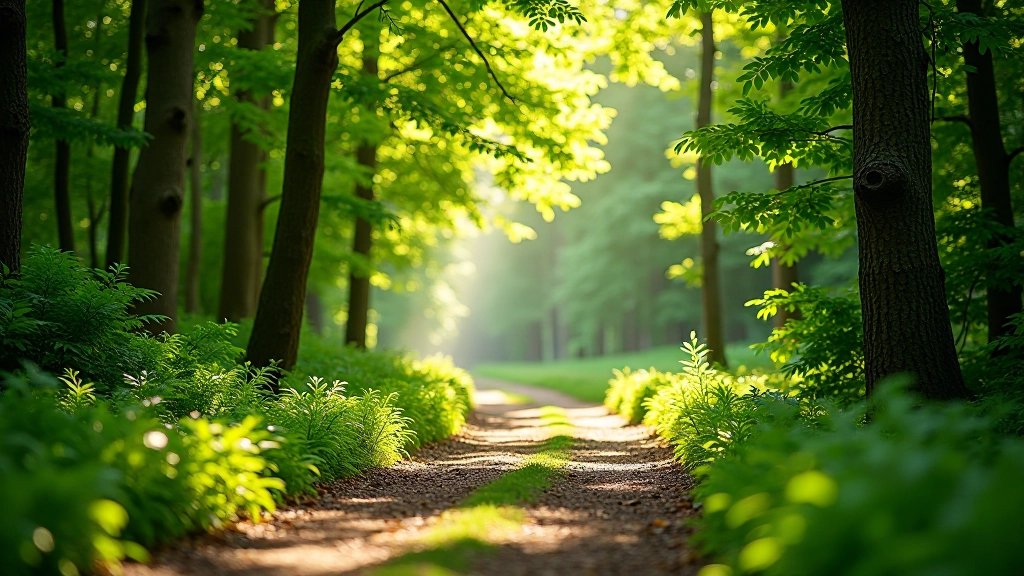
The marked trails are generally flat and easy. Viewing platforms are accessible. If you're less mobile, you can still observe effectively from the tower locations without extensive walking. The landscape isn't challenging terrain.
Start Your Třeboň Adventure
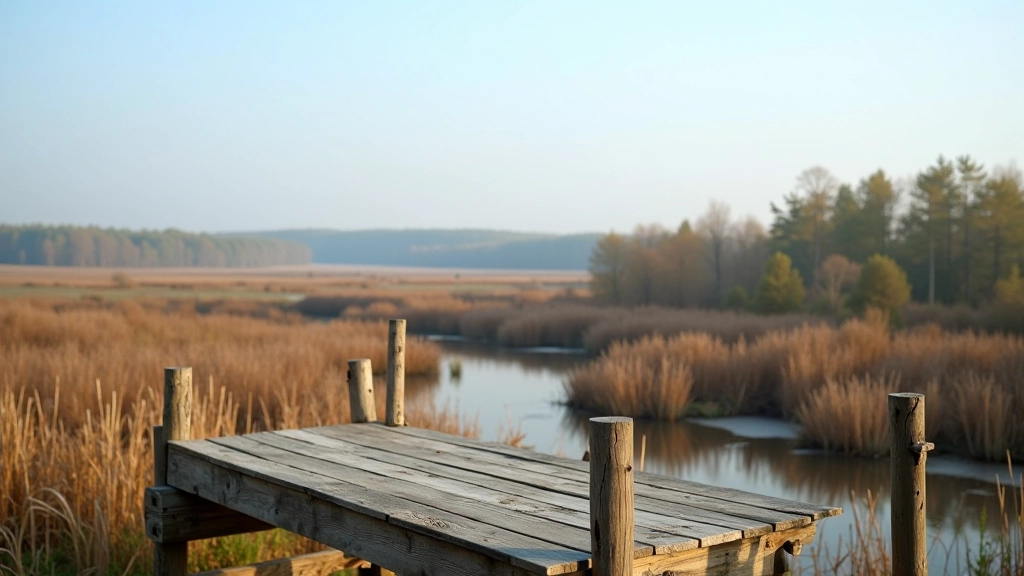
Birdwatching at Třeboň isn't about ticking boxes or seeing rare species. It's about slowing down and observing a landscape that's been shaped by centuries of human work and nature's resilience. You'll see common birds in stunning detail. You'll hear calls you didn't know existed. And you'll understand why these wetlands matter.
The best time to start is whenever you can. Don't wait for perfect conditions or expensive gear. Get binoculars, dress appropriately, and spend a morning by the water. You'll be surprised what reveals itself when you stop, look, and listen. Třeboň's birds are waiting.
Ready to explore more outdoor experiences in the Czech countryside?
Explore More GuidesInformation Disclaimer
This guide is provided for educational and informational purposes to help readers understand birdwatching practices and opportunities at Třeboň Wetlands. While the information is based on current knowledge about the location, bird species, and seasonal patterns, conditions can vary. Always check current local regulations, access restrictions, and weather forecasts before visiting. Respect protected areas and follow local guidelines. This content is not a substitute for consulting local naturalist guides or official tourism resources for the most up-to-date information about visiting Třeboň.